
The transition to mobile access control: updating commercial door entry systems for hybrid workspaces
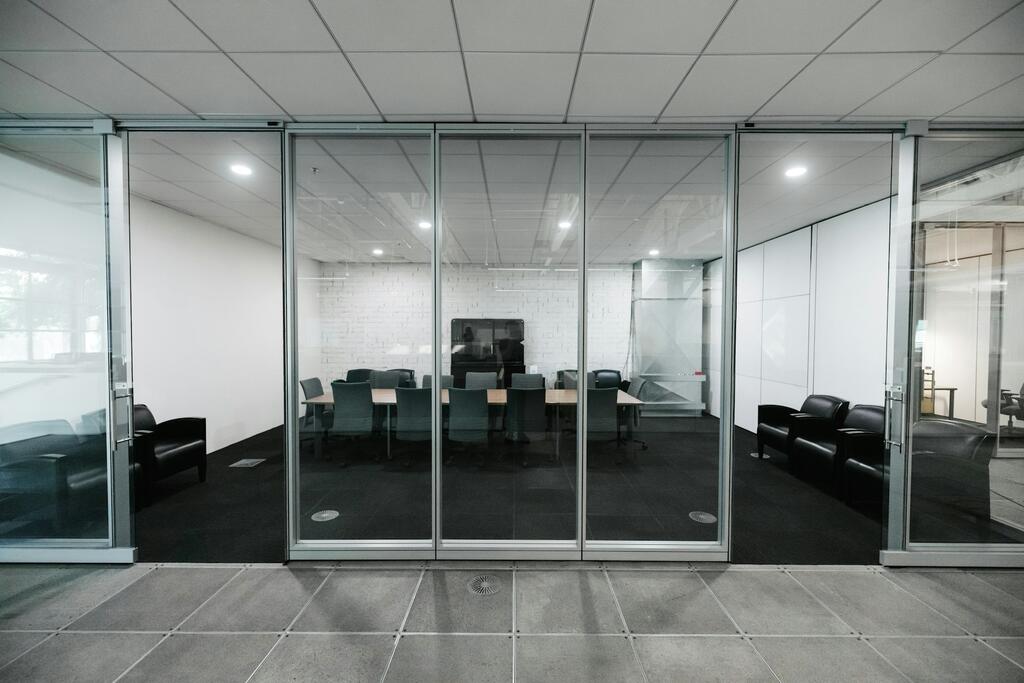
For hybrid offices, the biggest advantage of mobile access control is often administrative. A credential can be issued, suspended or revoked on a compatible smartphone without handing over a physical fob. The latest ONS figures available at publication show that 25% of working adults in Great Britain hybrid worked between 3 and 28 June 2026. Flexible attendance makes well-managed access permissions useful for offices with changing occupancy.
Readers, controllers and door stations still need to suit the building, door hardware and network design, as anyone planning access control for commercial sites will recognise.
Why fob administration can become expensive
The cost of a fob is only part of the picture. Physical credentials have to be issued, recorded, replaced when lost and reliably disabled when staff, tenants or contractors leave.
Mobile credentials can reduce that workload where the platform supports remote management. They do not eliminate offboarding procedures, but they can make revocation faster and easier to audit. When considering how installers increase job value, reduced administration and clearer credential management can matter more than replacing hardware for appearance.
Comparing credential types for a hybrid site
Biometrics require particular care. The ICO's biometric recognition guidance confirms that biometric data used to uniquely identify a person is special category data. For workplace access, the ICO says organisations should provide an alternative for workers who do not want biometric access controls and should not disadvantage them for choosing it. In February 2024, the ICO ordered Serco Leisure and associated trusts to stop using facial recognition and fingerprint scanning for employee attendance after finding the processing unlawful. The proportionality principles covered in UK CCTV compliance in 2026 are relevant here too.
What to check during an upgrade
Start with the existing doors, controllers, cabling, power and network rather than assuming every component needs replacing.
Get remote access set up properly during design and handover.
Confirm PoE power budgeting for door stations, cameras and planned expansion.
Survey cable routes before finalising the quotation.
Agree responsibility for firmware upgrades and security updates.
Where CCTV forms part of the same security design, a 2 camera CCTV system may suit a small entrance-focused installation, while 16 camera CCTV systems support larger layouts. ANPR cameras can be considered where vehicle access needs managing, while appropriately specified CCTV monitors support live viewing where required. This can form a practical upsell path from CCTV to access control.
FAQs
Is mobile access control secure enough for a commercial building?
It can be, provided the system, reader technology, controller security, account permissions and offboarding process are properly configured. Mobile credentials should not automatically be described as more secure than every card system because security depends on the implementation.
What happens if someone's phone is flat?
A planned fallback may include a card, reception-issued visitor credential or another approved method. The right option depends on the platform and the organisation's security policy.
Does mobile access work with existing readers?
Sometimes. Compatibility depends on the reader technology, controller, credential format and software platform. Existing cabling or controllers may be reusable, but a site survey should confirm this before equipment is specified.
How does this fit with Martyn's Law?
The Terrorism (Protection of Premises) Act 2025 is law, but its main duties are not yet in force. Statutory guidance was published in April 2026, and the legislation is currently expected to come into force in Spring 2027. Access control can support wider protective-security procedures, but door-entry records alone do not demonstrate compliance. See Martyn's Law readiness for further context.
Scoping a hybrid workspace upgrade? Talk to the technical team at FVS CCTV, or browse the door entry and access control range and get a free system plan before you quote.