
How installers increase job value with better camera selection
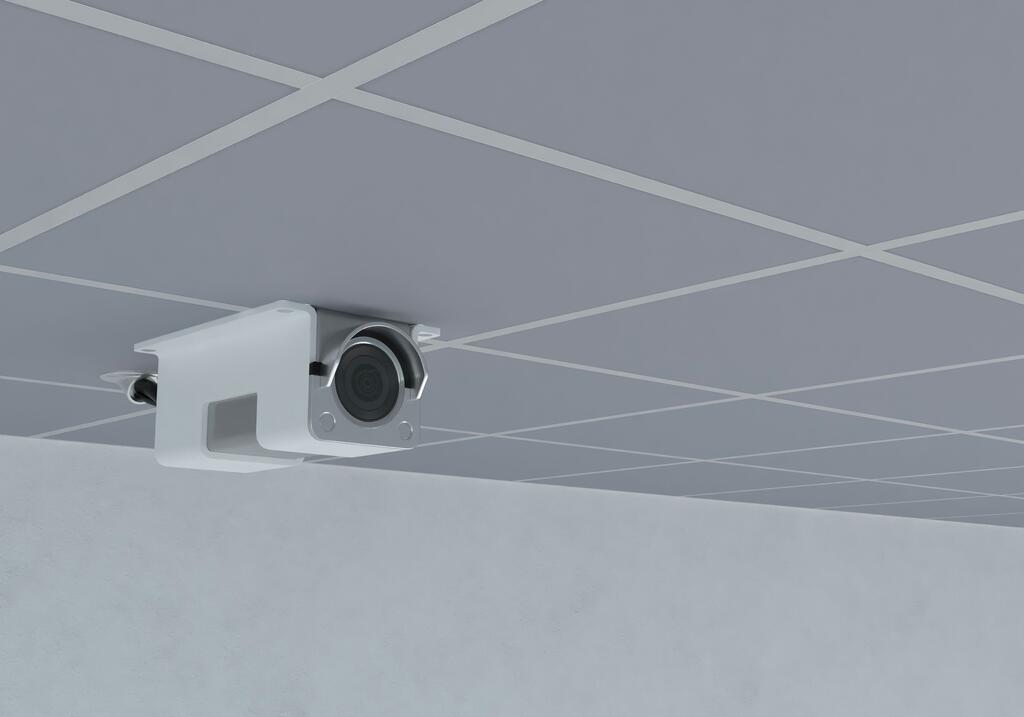
If you want to increase the value of your CCTV jobs without coming across as pushy, your best lever is simple: pick better cameras for the job, and explain why you’ve picked them.
In the UK, CCTV isn’t a niche add-on anymore. Industry estimates often put the total number of cameras at between 4 million and 6 million nationwide. That means customers have seen plenty of installs good and bad. They’re not always obsessed with specs, but they do care about outcomes: clear footage, reliable remote viewing, fewer blind spots, and evidence that actually stands up when something happens.
So instead of selling “a camera”, you’re selling clarity, coverage, and confidence. The right camera selection makes that easy and it naturally lifts the job value in £.
Start with outcomes, not megapixels
A common mistake on larger quotes is defaulting to the same camera everywhere. It keeps the list neat, but it rarely gives the customer what they need.
Before you choose anything, split the site into outcomes:
Identify faces at entrances and reception points
Monitor activity across open areas and general spaces
Deter incidents in vulnerable spots (rear doors, alleyways, yards)
Capture vehicles/plates at gates, driveways, and car parks
Once you do that, the camera spec almost chooses itself and your quote becomes easier to justify.
You can pull the right options from the core ranges:
Use resolution properly: upgrade only where it pays back
Higher resolution can add value, but only if you’re upgrading the right locations.
A smart approach is:
General coverage: 2MP or 4MP where you just need visibility
High-detail zones: 8MP where identification matters
That lets you keep the overall system cost sensible while still improving results where the customer will notice the difference.
Relevant categories:
This is also one of the cleanest “value upgrades” you can offer: “We’ll keep standard coverage across the site, but we’ll upgrade the key cameras that matter for identification.”
Lens choice is where “cheap installs” fall apart
If you want to win higher-value installs, get confident explaining lenses. Most customers have no idea that the wrong lens can make a camera “high spec” on paper but useless in practice.
Questions you should ask on every job:
How far is the target area from the mounting point?
Do they need a wide overview, or a tight identification shot?
Is there a gate line or entrance where you can control distance?
A motorised lens (like 2.8–12mm) is a great upsell because it gives you flexibility on install day and lets you tune the view properly. It’s the difference between “close enough” and “exactly right”.
Example of a more specialist option you can point to:
You don’t need to get overly technical with customers just explain it as: “It lets us zoom the scene correctly so you’re not wasting pixels on the wrong area.”
Low light and WDR: the “hidden” upgrades customers feel instantly
If the site has mixed lighting (bright entrance + darker interior, headlights at gates, glare from windows), you’ll want to prioritise cameras with strong low-light performance and WDR.
This is where your quote increases naturally because you’re solving real issues:
clearer faces at night
fewer blown-out scenes
usable footage in headlights and floodlights
You can also position this as reducing hassle later: “Better low-light performance now means fewer complaints when you check footage after an incident.”
Add job value by selecting the right specialist cameras
Here’s where bigger installs often move from “CCTV system” to “proper security solution”.
Active deterrence cameras (prevention, not just recording)
If the customer has repeat incidents, rear access problems, or high-value stock, you can justify deterrence easily.
You’re not upselling for the sake of it — you’re offering a camera that helps stop incidents happening.
PTZ speed domes (wide areas, yards, car parks)
On larger sites, fixed cameras can’t always do it all. A PTZ dome adds coverage without needing loads of extra cameras.
ANPR / LPR (gates, entrances, vehicle evidence)
If vehicles matter — deliveries, staff parking, gated access, repeated nuisance — ANPR is a strong value add.
Don’t sell cameras in isolation, build the system around them
Better cameras often mean higher bitrates and more storage. If you don’t plan the recorder and storage properly, you’ll hurt performance and retention — and you’ll get the call-back.
On higher-value installs, your camera selection should always be linked to:
NVR capability (channels, throughput, decoding)
storage (retention requirements)
PoE / network design (stability and expansion)
Useful categories:
This is also where you can present upgrades in a way customers understand:
“With these upgraded cameras, we’ll spec the recorder and storage so you still get X days of footage.”
“We’ll add switching so you’ve got capacity to expand later.”
A simple way to price higher without awkward sales
If you want job value to increase in a natural way, give 3 options and let the customer choose:
Essential coverage (solid, sensible camera mix)
Better identification (upgrade key cameras to higher resolution / motorised lens)
Prevention + evidence (add deterrence / PTZ / ANPR where it fits)
Use UK reality to support the value conversation
Customers already know CCTV matters and they see it everywhere. Public spending and upgrades are still happening too. For example, councils in London were reported to have spent £30.4 million on CCTV in the financial year ending April 2024, alongside wider expansion plans.
You don’t need to turn that into a “sales pitch”. It’s just a reminder that better image quality and smarter coverage are exactly where the market is going.
Next steps
If you want to increase the value of your installs, stop thinking in terms of “more cameras” and start thinking in terms of better camera selection, higher detail where it matters, proper lenses, strong low-light performance, and specialist cameras where the site demands it.
Browse the ranges at FVS CCTV and build your next quote around the right kit: IP CCTV Cameras, 4MP options, 8MP options, Active Deterrence, PTZ domes, and ANPR cameras. If you want a second pair of eyes on your spec before you order, speak to FVS CCTV and get the camera selection right the first time.