
Smart Deterrence: Protecting Schools and Industrial Estates During the Summer Holidays
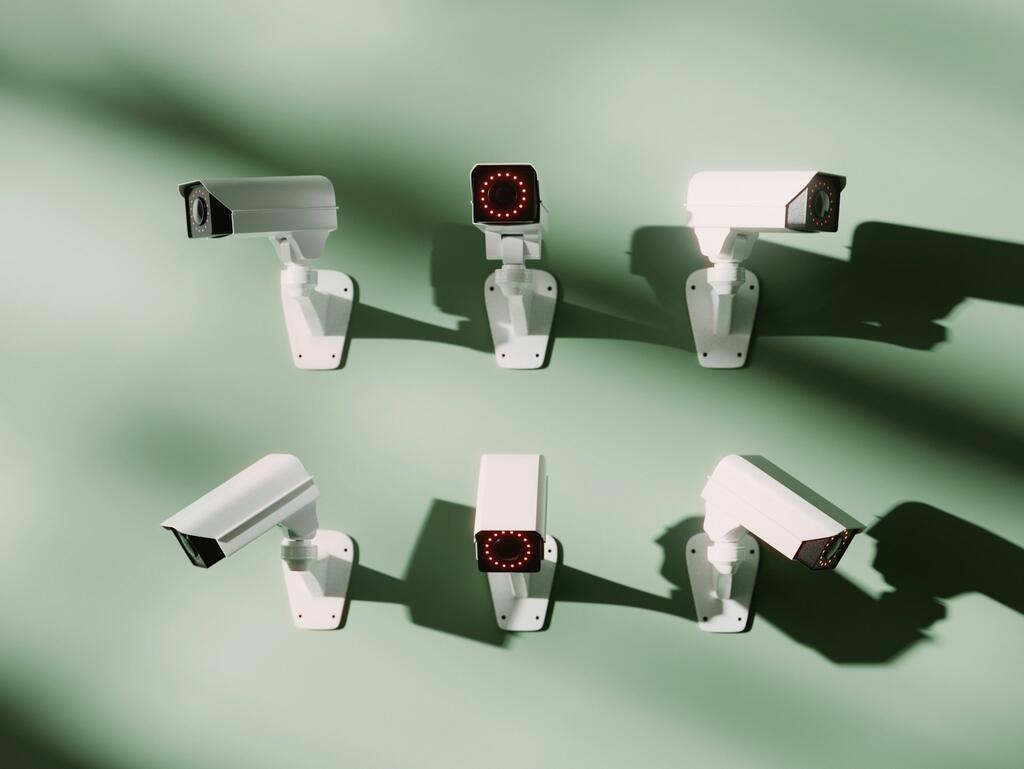
The summer holiday period can leave schools, yards and industrial units more exposed than usual. Buildings may be empty, staff cover is thinner and routine site checks can become less frequent. For CCTV installers, this is a practical moment to review whether a client’s system can deter intruders, not just record them afterwards.
For schools and industrial estates, the aim should be proportionate security. That means cameras that support a clear purpose, suitable lighting, sensible recording settings, secure remote access and a response process when an alert is triggered.
Why Record-Only CCTV Is Often Not Enough
A passive camera may capture someone entering a school site or industrial yard, but it does not always stop the incident. If nobody reviews the footage until days or weeks later, the evidence may help an investigation but not prevent the loss.
Active deterrence can change that response window. The right active deterrence units can use white light, an audible warning and analytics-based detection to challenge activity at the perimeter or yard entrance. They should be configured carefully so they do not create nuisance alarms for neighbours, pupils, staff or legitimate out-of-hours users.
Remote alerts also matter. Our post on remote access without headaches explains the router and DDNS setup needed to make alerts more reliable on sites using standard broadband. Where the risk is higher, professional remote monitoring may be more appropriate than relying only on a caretaker or key holder’s phone.
Summer Specification by Site Type
UK data-protection law does not set a fixed CCTV retention period. Footage should be kept only for as long as necessary for the stated purpose. For many sites, around 28 to 31 days is common, but the client should document the reason.
Practical Tips for the Summer Window
Schools often use late July and August for maintenance work. Before the site goes quiet, check detection zones, recording health, user accounts, time settings, firmware and remote-alert delivery. If adding active deterrence cameras to an existing PoE switch, revisit PoE power budgeting, because lights and speakers can increase peak power demand.
For detached compounds or remote yard positions, wireless IP transceivers can avoid long cable runs where there is clear line of sight. Solar may also work in selected locations, but battery sizing, winter performance and maintenance access must be checked. Our post on wireless IP transmission for CCTV covers the planning basics.
Public-sector buyers may also ask about equipment origin and security. The UK Government has restricted visual surveillance equipment from companies subject to China’s National Intelligence Law on sensitive government sites. This is not the same as a universal UK legal ban on all school CCTV, but NDAA-aligned or non-Chinese equipment can be a sensible tender position where public-sector procurement rules or client policies require it.
As an ip camera wholesaler and ip cctv wholesaler to trade installers across the UK, FVS CCTV stocks active deterrence cameras, IP cameras, NVRs and cctv parts supplier accessories from one account. For school or industrial estate proposals, our guide to tender-ready CCTV proposals can help keep the submission clear.
FAQs
Do schools need NDAA-compliant cameras?
Not automatically. However, public-sector and sensitive-site guidance may influence what is acceptable. Many installers now specify NDAA-aligned or non-Chinese options where the tender requires it.
Can active deterrence cameras operate only out of hours?
Yes. Detection zones, lights and sirens can usually be scheduled, helping reduce nuisance triggers during normal school or working hours.
What is the best alert method?
Push notifications are useful, but they rely on a person responding. Higher-risk sites may need remote monitoring linked to a defined escalation process.
Get Ahead of Summer
Browse the active deterrence camera range and nvrs supplier catalogue at FVS CCTV. Apply for a trade account to access trade pricing, call 0208 863 0666 or get in touch online.