
Beyond evidence gathering: using active deterrence cameras to help prevent retail violence
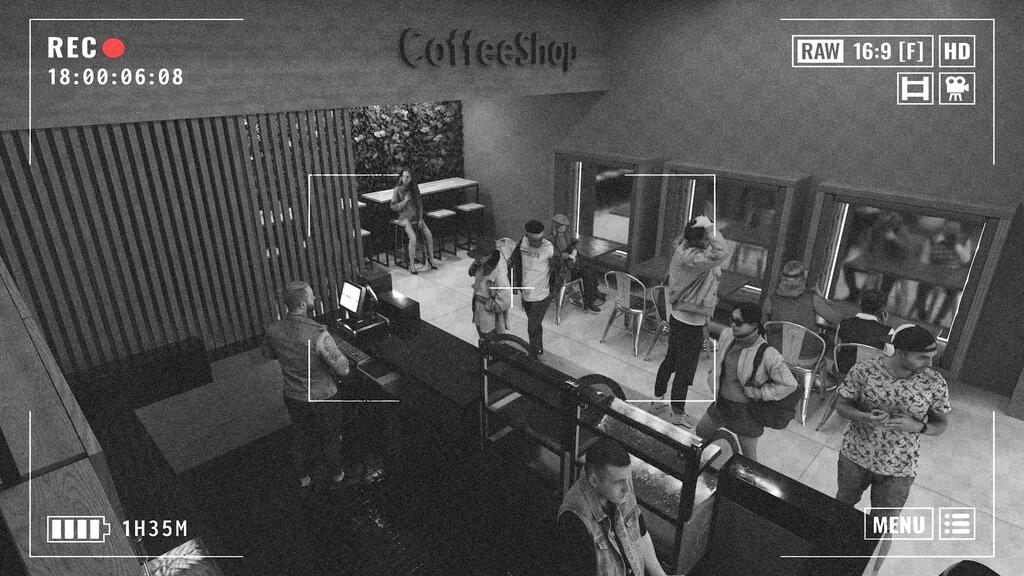
Retail crime remains a serious safety issue. The British Retail Consortium’s 2026 Crime Report, covering September 2024 to August 2025, recorded about 1,600 incidents of violence and abuse against retail workers each day. This included an average of 118 incidents involving physical violence and 36 involving a weapon.
Traditional CCTV remains essential for investigation and evidence, but it normally acts after an event. Active deterrence cameras can add a preventive layer through visible white light, warning sounds, prerecorded messages and, where properly managed, two-way audio. They cannot guarantee that an offender will leave, but they can make surveillance obvious, alert staff and create an opportunity to intervene safely. Installers considering this approach can build on existing guidance about active deterrence with light and audio cameras.
Why evidence alone is not enough
The BRC reported approximately 5.5 million customer-theft incidents in its latest reporting period, with known shoplifting losses of around £400 million. Retailers also invested almost £5.5 billion in crime prevention over five years. Organised groups remain a concern because repeat offenders may expect conventional CCTV and take steps to conceal their identity.
The strongest proposal is therefore not simply more cameras, but a system matched to the risks at the premises. That distinction is useful when pitching advanced IP systems to convenience stores.
Specifying active deterrence correctly
Analytics must distinguish relevant behaviour from ordinary customer movement. Poor configuration can create repeated false alerts, leading staff to ignore or disable the system. The guidance on AI and smart analytics in UK surveillance explains why detection zones, schedules and sensitivity settings matter.
Resolution should be chosen alongside lighting, field of view, mounting height and identification distance. The comparison between 6MP, 8MP and 12MP cameras can help, but the highest resolution is not automatically the best option.
A small store may consider 2 camera CCTV systems, while larger or multi-zone premises may require 16 camera CCTV systems. Final quantities should follow a site survey and risk assessment. Car parks may also benefit from ANPR cameras, provided number-plate data has a documented purpose, an appropriate retention period and secure access controls.
Staff need suitable CCTV monitors, following the same principles used in monitor selection for trade projects.
Privacy and legal requirements
Retailers must display appropriate signs, define why surveillance is necessary and control access to recordings. Audio recording is more intrusive than video and should normally be disabled unless there is an evidenced and proportionate need. A prerecorded warning does not necessarily require continuous audio capture. The guidance on CCTV signage and privacy for UK sites covers the main considerations.
The Crime and Policing Act 2026 received Royal Assent on 29 April 2026. It provides for a standalone offence of assaulting a retail worker in England and Wales and the repeal of the special summary procedure for shop theft worth £200 or less. Businesses should check commencement arrangements before describing those provisions as fully operational. All shop theft was already unlawful, regardless of value.
Installers supporting public-space projects can also review high street surveillance support for local authorities.
Frequently asked questions
Do active deterrence cameras stop every incident?
No. They can discourage some offenders, attract attention and warn staff, but their effectiveness depends on their location, settings, lighting and the behaviour involved.
Can active deterrence cameras record audio?
Some models can, but continuous audio recording is highly intrusive. It should be enabled only where the retailer can demonstrate that it is necessary and proportionate.
How should retailers test a new system?
Start with a clearly defined problem area, record the baseline incident level and compare results after installation. Review false alerts, staff feedback and image quality before expanding the system.
Plan the installation
FVS is an independent CCTV distributor established in 1966, offering technical support and project-planning assistance. Call 020 8863 0666 or open a trade account to discuss a retail active-deterrence specification.