
How to Choose Between 6MP, 8MP and 12MP Cameras for Trade CCTV Projects
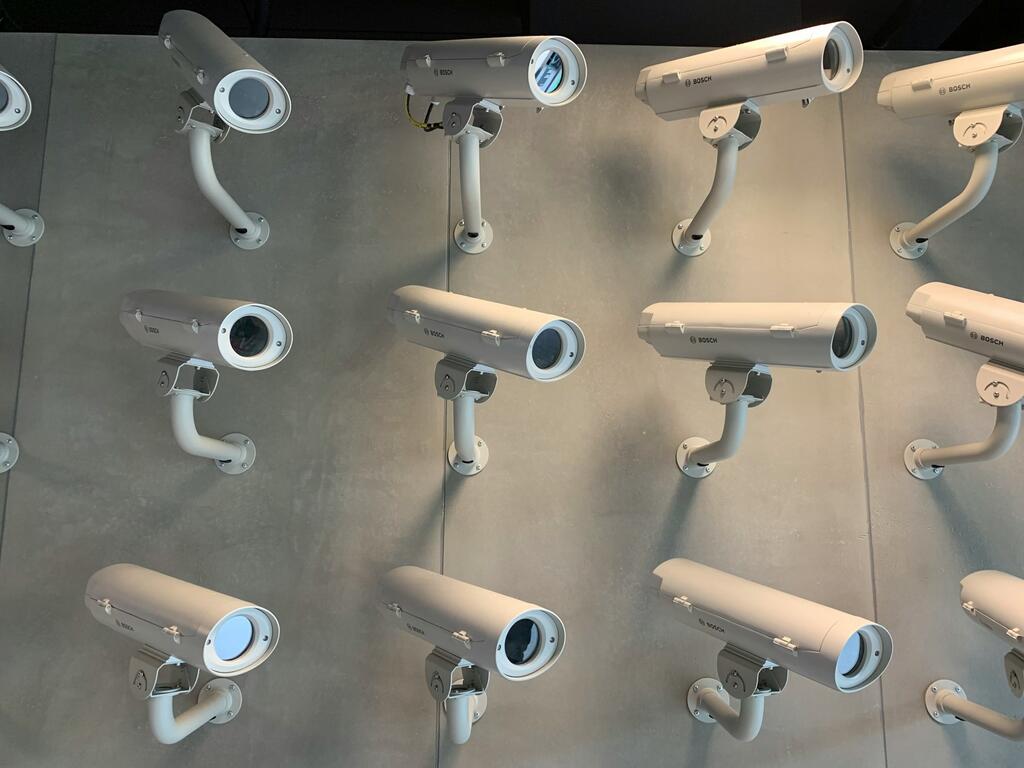
Resolution is one of the first specs customers ask about, and one of the easiest to misunderstand. A higher megapixel count can provide more detail, but it does not automatically create a better CCTV system. The right choice depends on the camera position, lens, lighting, viewing distance, field of view, recording settings, NVR capability and storage capacity.
For trade projects, the aim is not to specify the highest resolution everywhere. It is to choose the right resolution for each position, so the customer gets usable footage without paying for unnecessary system overhead.
Why resolution choice matters beyond image quality
More megapixels can mean more image detail, but they also increase bitrate, recording storage and processing demands. They can also expose weaknesses elsewhere in the system. A 12MP camera on the wrong lens, poor lighting or an underpowered NVR will not deliver the result the customer expects.
PoE demand is not driven by resolution alone. A higher-resolution camera does not automatically draw much more power than a lower-resolution model. Power consumption depends more on features such as IR LEDs, white light, active deterrence speakers, motorised lenses, heaters and camera design. That is why installers should still check the datasheet and total PoE budget, especially on full 8 or 16-channel systems. The guide on PoE power budgeting is useful when planning switch capacity.
6MP: the practical workhorse for internal and mid-range positions
6MP cameras are a strong everyday choice for many internal and close-to-mid-range commercial positions. Depending on the model, 6MP cameras commonly record at around 3072 × 2048 or a similar pixel count, giving noticeably more detail than 4MP while keeping storage and processing demands more manageable than higher resolutions.
For offices, retail units, corridors, stairwells, stockrooms and warehouse aisles, 6MP is often more than enough. It can also work well outdoors where the camera is covering a defined area at shorter distances, such as a doorway, bin store, small yard, loading point or close-range car park entrance.
Where 6MP works best is in positions where the subject is reasonably close and the field of view is not too wide. If the camera is expected to cover a large open yard and still identify detail at the far edge of the image, 6MP may not be the right choice.
6MP is often the sensible option for budget-conscious commercial jobs where the installer needs good image quality without overloading the storage calculation.
8MP: the commercial standard for many external positions
8MP, often referred to as 4K UHD at 3840 × 2160, has become a strong default for many external commercial CCTV positions. It gives more detail than 6MP, works well across wider scenes, and is supported by many modern recorders in the NVRs wholesale range.
For building exteriors, car parks, yard areas, perimeter approaches and main entrance points, 8MP usually provides the best balance between detail, cost and system load. It gives the customer more usable footage for incident review without jumping straight to the heavier storage and bandwidth demands of 12MP.
However, installers should avoid promising facial recognition or reliable number plate capture just because a camera is 8MP. Identification depends on pixels on target, distance, lens choice, camera angle, lighting, shutter speed and movement. If the brief specifically requires registration plate capture, a dedicated ANPR camera is usually the correct tool.
Storage at 8MP is manageable when the system is designed properly. H.265 compression can reduce bitrate compared with H.264, although the actual saving depends on the scene, frame rate, movement, noise, codec settings and camera quality. A correctly sized surveillance hard drive is still essential.
8MP also pairs well with many active deterrence cameras, because those cameras are usually installed at the kinds of outdoor positions where extra detail is useful: gates, compounds, car parks and side access routes.
The post on how installers can increase job value through better camera selection explains why position-by-position specification is usually better than using one camera type across the whole site.
12MP: when distance, width or detail genuinely demands it
12MP cameras are best used where the scene genuinely justifies the extra resolution. Depending on the model, 12MP may be delivered in formats such as 4000 × 3000 or other comparable resolutions. The key benefit is not simply a bigger number. It is more available pixels across a wide or long scene.
12MP can work well for high-value perimeter positions, large open yards, wide industrial spaces, distribution areas, sports facilities and locations where one camera needs to cover a wider scene while retaining more detail for playback.
The trade-off is storage and processing demand. Compared with 8MP, a 12MP camera has around 50% more pixels before compression. In practice, bitrate may rise by more or less than that depending on the scene and settings, but it should never be guessed. Installers should calculate retention based on resolution, frame rate, codec, recording schedule, motion levels and required archive period.
The NVR also needs to support the camera properly. Check the maximum supported recording resolution per channel, incoming bandwidth, decoding capability and playback performance. A system may record 12MP but struggle to display several high-resolution channels at once. A suitable CCTV monitor also matters. A 1080p monitor will not display the full live image detail from an 8MP or 12MP camera, although the recorded footage can still contain that extra detail for playback and export.
The article on why cheap cameras cost installers money long-term is relevant here. Higher specification only helps when the supporting infrastructure is good enough to match it.
Matching resolution to the complete system
A professional CCTV proposal should match each camera to its job. Internal corridors may only need 6MP. External entrances and yards may justify 8MP. Long perimeters or wide high-value areas may justify 12MP. Mixing resolutions on the same system is normal and often best practice, provided the NVR supports the total load.
Installers can browse the full IP CCTV camera range and compatible IP CCTV system options from FVS CCTV before committing to a specification. As an established ip camera wholesaler, FVS CCTV can help trade installers check that the camera resolution, recorder, hard drive and accessories work together properly.
For PoE switches, cabling, connectors and mounting parts, the cctv accessories supplier range keeps the supporting equipment on the same order. For larger projects, the guide on how to write a tender-ready CCTV proposal shows how to present a position-by-position resolution spec clearly.
As an ip cctv wholesaler, FVS CCTV supplies the cameras, recorders, switches and accessories needed to complete trade CCTV projects from a single account.
FAQs
Is 8MP always better than 6MP for external cameras?
No. 8MP is useful where the scene is wider or the subject is further away, but 6MP can be entirely suitable for shorter-range external positions.
Do customers need a 4K monitor for 8MP or 12MP cameras?
For full live viewing detail, yes. A 1080p monitor cannot show the full resolution, although the system may still record the higher-resolution footage.
Can 12MP replace a dedicated ANPR camera?
Not reliably. A 12MP camera may help with review footage, but dedicated ANPR is the better choice where plate capture is a specific requirement.
Can different resolutions be mixed on one NVR?
Yes. Most commercial projects benefit from mixed resolution, provided the NVR supports the total recording and playback load.
Build your next spec with confidence
Browse the full IP camera and NVR range at FVS CCTV, apply for a trade account, or call 0208 863 0666 for help matching camera resolution to a specific project. You can also get in touch online for support with your next trade CCTV specification.