
FCC’s July ban on legacy Hikvision and Dahua kit: what it means for NDAA-compliant sourcing in the UK
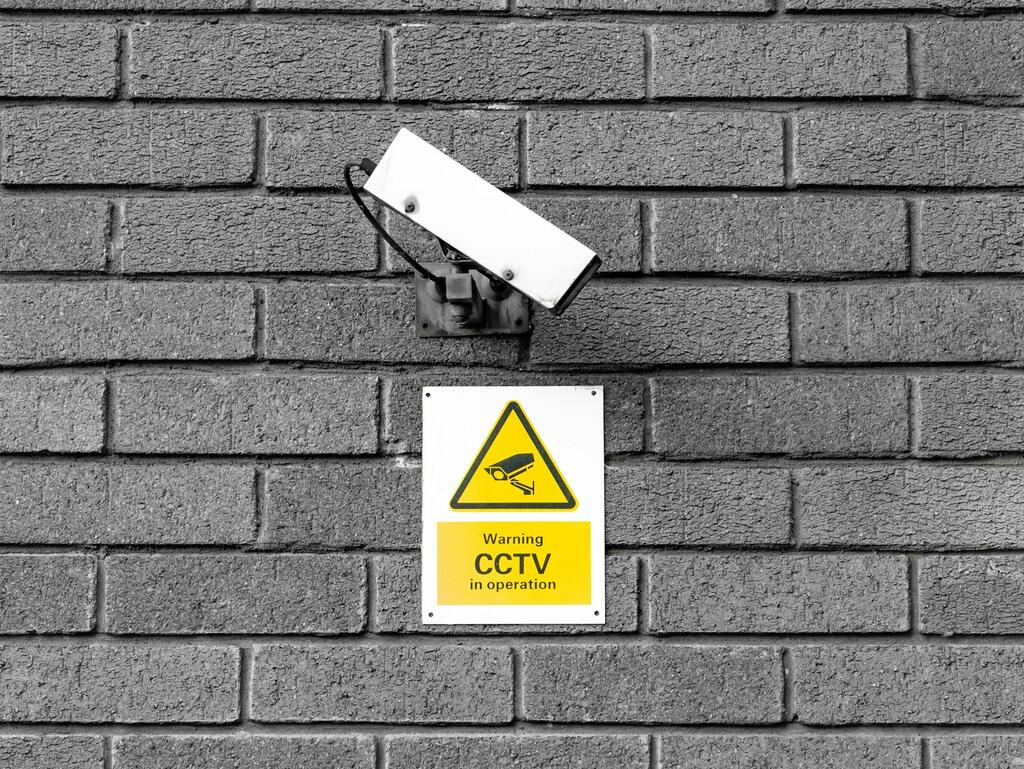
The FCC’s latest action does not ban anything in the UK, but it does change the way installers should think about compliant CCTV sourcing. On 26 June 2026, the US regulator released a notice restricting the continued import and marketing of certain previously authorised covered communications equipment. The notice was published in the Federal Register on 6 July 2026 and takes effect on 16 July 2026.
For CCTV, the practical focus is on manufacturers already on the FCC Covered List, including Hikvision and Dahua where the equipment is used for covered security purposes. For UK installers, the message is simple: check what a camera really is, not just the logo on the casing, and use documented NDAA compliant CCTV where clients need procurement assurance.
What changed in the US?
The FCC added Hikvision and Dahua to its Covered List in 2021 for specified uses, including public safety, government facilities, physical security surveillance of critical infrastructure and other national security purposes. In 2022, the FCC stopped authorising new covered equipment from listed manufacturers under rules linked to the Secure Equipment Act.
The 2026 move goes further. It addresses older equipment that had already received FCC authorisation before the 2022 cut-off and could still be imported or marketed in the US. The new restriction applies to covered equipment added to the Covered List in 2024 or earlier.
There is one important caveat. For use-based entries such as Hikvision and Dahua, the FCC restriction applies only to covered purposes. The restriction relating to physical security surveillance of critical infrastructure is also temporarily suspended until the FCC adopts a definition and guidance for “critical infrastructure”. Existing installed equipment can continue to be used if it was legally purchased and keeps its existing authorisation.
Does a US rule matter in Britain?
Directly, no. The FCC regulates the US market, not the UK. UK private businesses are not suddenly banned from using Hikvision or Dahua cameras because of a US rule.
Indirectly, it matters in 2 ways. First, surveillance supply chains are global. If US import and marketing routes close, legacy stock, replacements and grey-channel products may become harder to verify or support. Secondly, UK public-sector expectations have already moved in a similar direction.
In November 2022, the UK government instructed departments to stop deploying visual surveillance equipment from companies subject to China’s National Intelligence Law at sensitive sites. In April 2024, ministers set out a removal target of April 2025, and the government later stated that removal from sensitive government sites had been completed. This is not a blanket UK-wide ban, but it has shaped public-sector and sensitive-site procurement.
The rebrand trap
This is where sourcing gets awkward. Hikvision and Dahua equipment may appear under OEM, white-label, sub-brand or rebranded arrangements. A logo you do not recognise can still sit on hardware, firmware or core components from a restricted manufacturer.
The fix is documentation, not a supplier promise. Ask for the actual manufacturer of the specific model, country of origin, chipset or recorder platform where relevant, and written confirmation of NDAA status. This is the same point made in our guide to avoiding warranty issues with poor-quality equipment: the paper trail matters when something goes wrong.
What the rule does and does not do
Sensible sourcing from here
There is no need for panic. If a client is in the public sector, critical infrastructure, education, healthcare or a US-linked supply chain, specify documented NDAA-compliant equipment from the start. Our note on the FY2026 NDAA updates explains what changed, while our guide to supporting local authorities with high street surveillance shows how compliance appears in real tenders.
For a clean system build, source IP CCTV cameras and IP CCTV NVRs from a documented range, matched with proper surveillance hard drives and compatible CCTV accessories. Where you are replacing older cameras, a staged approach to upgrading from analogue to IP can keep the site live, and reusing it with CAT5 and baluns may reduce disruption where cabling is sound.
Compliance is supply-chain assurance, not a substitute for secure design or UK data protection duties. Our guide to AI and smart analytics in UK surveillance is a useful reminder that proportionate, documented systems age better than flashy ones.
Frequently asked questions
Are Hikvision and Dahua cameras banned in the UK?
Not across the board. UK central government policy restricts deployment at sensitive sites, but there is no blanket UK ban covering all private businesses.
What does NDAA compliant mean?
In CCTV procurement, it usually means the equipment is not from manufacturers restricted under US NDAA rules, including named firms such as Hikvision, Dahua, Huawei, ZTE and Hytera, or relevant subsidiaries and affiliates.
Does the July rule force me to remove existing cameras?
No. The FCC action targets import and marketing in the US, not existing installed equipment. The concern for UK installers is future sourcing, support and procurement assurance.
Source it right the first time
If you want a supply chain you do not have to second-guess, buy from a trade CCTV distributor that can confirm origin and provide compliance documentation on request. Apply for a trade account or book an intro call, and FVS CCTV can help you specify a clean, compliant system for the job in front of you.