
Why active deterrence cameras are gaining ground in retail security
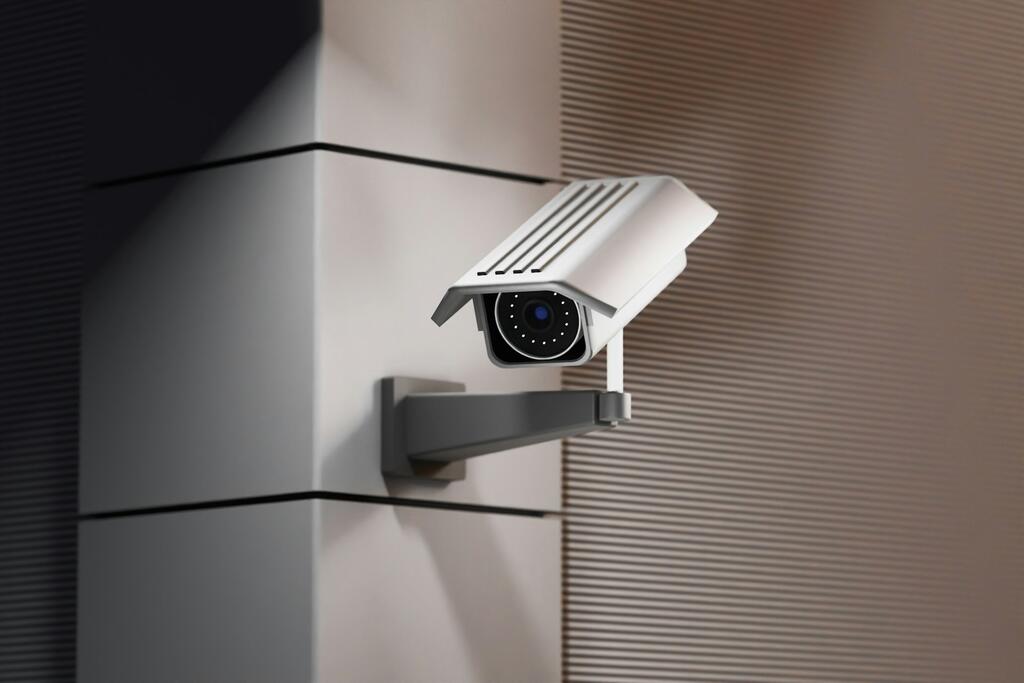
Active deterrence cameras combine video recording with an immediate response, such as a white light, siren or spoken warning. Correctly configured, they can discourage opportunistic theft, loitering and out-of-hours intrusion while preserving footage for investigation. They do not stop every incident and should form part of a wider security plan.
The latest British Retail Consortium report, covering September 2024 to August 2025, recorded 5.5 million detected shop-theft incidents costing retailers nearly £400 million. The survey methodology was updated, so these figures should not be directly compared with the previous report’s estimate of more than 20 million incidents and £2.2 billion. The clear message is that retail theft remains a serious operational problem.
What active deterrence does
The camera monitors a defined area and can trigger a light or audio alert when its analytics identify a relevant event. Many models can distinguish people or vehicles from general movement, reducing alerts caused by rain, foliage or animals. Performance still depends on the model, lighting, positioning and configuration, so every site needs testing.
Some systems also support live two-way audio through an app or monitoring platform. This may allow an authorised person to issue a warning without asking shop staff to confront someone. Our guide to AI and smart analytics in UK surveillance explains why detection rules and filtering matter.
Why retailers are using them
For shopfronts, loading bays and service yards, an immediate warning may interrupt an incident before loss or damage occurs. The camera still records the event, so the deterrent does not remove the evidential value of CCTV.
The Crime and Policing Act 2026 contains a standalone offence of assaulting a retail worker in England and Wales, but the provision requires commencement before it takes effect. Retailers should continue to use established staff-safety procedures and avoid expecting employees to challenge suspected offenders.
Recording-only CCTV versus active deterrence
Getting the design right
Lights, speakers and analytics may increase power and bandwidth requirements. Use the guidance on specifying stable power for a multi-camera system and PoE power budgeting for IP CCTV when calculating switch capacity and cable runs.
Placement matters too. A camera aimed across a busy pavement may activate unnecessarily, while excessive warning volume can disturb neighbours. Define detection zones, schedules and escalation rules, then test them under real conditions. For larger forecourts, PTZ speed domes on real sites can help with coverage planning, although fixed views may still be needed for continuous evidence.
Choose supported equipment and follow the advice on avoiding warranty issues with poor-quality equipment. Where an installation is being renewed gradually, upgrading from analogue to IP can introduce deterrence in phases.
Specify active deterrence IP cameras suited to the site and compatible IP CCTV NVRs. Size the surveillance hard drives around image quality, frame rate and retention, and select the correct CCTV accessories. Where supply-chain restrictions apply, check model-specific evidence for the NDAA compliant CCTV range.
Frequently asked questions
Do active deterrence cameras work?
They can discourage opportunistic behaviour, but effectiveness depends on placement, detection accuracy and the type of incident. They should be one layer within a broader security plan.
Are talking or audio CCTV cameras legal in the UK?
Playing a warning is different from recording conversations. CCTV requires a lawful purpose, clear signage, proportionate coverage and appropriate retention. Continuous audio recording is difficult to justify in most retail settings and should normally be disabled unless there is a documented need, as explained in the ICO guidance.
Add deterrence before the next incident
Recording an incident is valuable, but a well-designed warning may help stop it progressing. Speak to FVS as your trade CCTV supplier for help selecting, powering and positioning a system that deters without creating unnecessary alerts or privacy risks.