
What CCTV Installers Are Struggling With Most Right Now Part 1
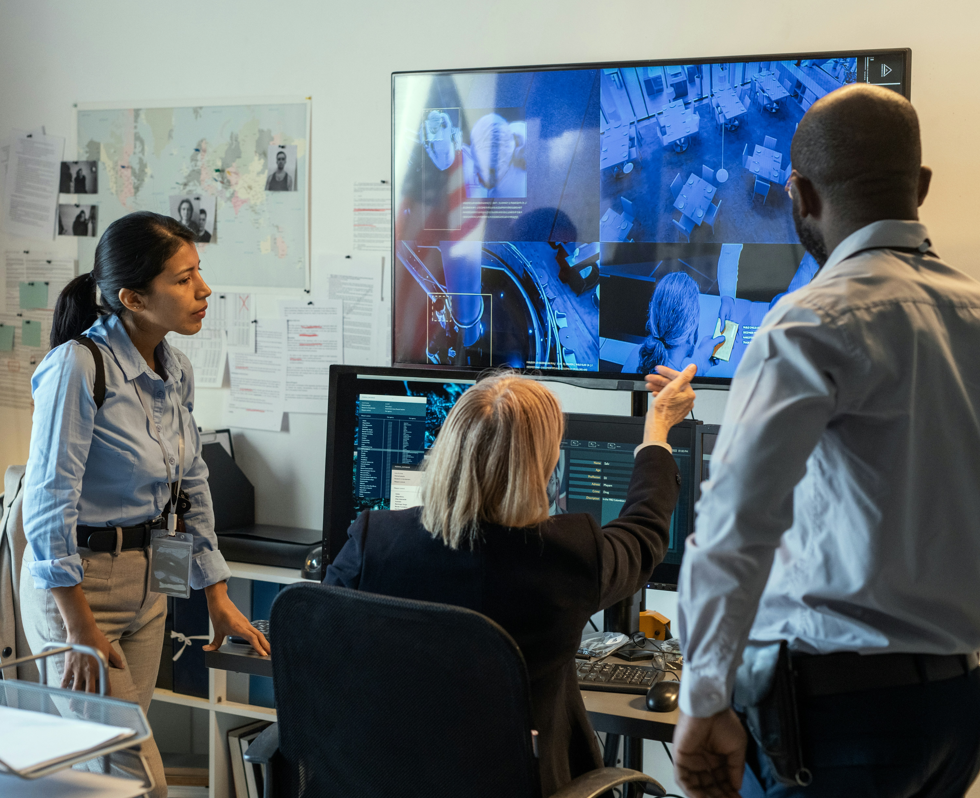
If you’re installing CCTV in the UK today, the work itself hasn’t got “harder” in a dramatic way — but the number of moving parts has. Customers want better footage, faster remote access, longer retention, and fewer false alerts, all while expecting the price to stay the same.
At the same time, demand is being pushed up by real-world pressures. Police-recorded shoplifting rose 23% to 492,914 offences in the year ending September 2024 (the highest figure since current recording practices began in 2003). That kind of stat makes CCTV feel less optional for lots of businesses — but it also makes customers more impatient when the system isn’t perfect.
So what are installers struggling with most right now? Here’s what we’re seeing, in plain terms, and what you can do to stay profitable (and sane).
1) Customers want “evidence”, not cameras
A lot of customers still start the conversation with “How many cameras can I get for £X?” But what they actually need is usable evidence: faces at entrances, clear activity at tills, and detail at gates and driveways.
The struggle for you is that “more cameras” often creates:
more bandwidth
more storage demand
more points of failure
more time commissioning
The fix is planning the system around outcomes and mixing camera types properly — for example, using Internal CCTV Cameras where lighting is stable, and External CCTV Cameras where glare, weather and night-time performance can wreck a cheap spec.
Most of your headaches come from jobs where the coverage was sold as blanket surveillance, but the expectation is “zoom in and read it”.
2) Night-time performance expectations are through the roof
Night footage is still the #1 reason customers lose confidence. Not because the system doesn’t record — but because it doesn’t record what they wish it recorded.
The struggle is that customers now expect:
colour at night
clear faces in low light
no glare from headlights
no “white-out” on reflective surfaces
If you’re fitting standard cameras and relying purely on IR, you’ll keep getting the same call: “It’s fine in the day but useless at night.”
That’s why more installers are moving towards full-colour and dual-illumination options like COLOURVISION, and proactive solutions like Active Deterrence Cameras where a light and audio warning can stop a problem before it becomes an incident.
It’s not about throwing a premium kit at every job. It’s about choosing 2–3 “evidence points” where night quality really matters, and being honest about the limits everywhere else.
3) IP installs aren’t “plug and play” anymore — networking is the job
A modern CCTV install is basically a small network project with cameras attached.
The struggle is that you’re now expected to troubleshoot things like:
PoE power budgets
cable length and voltage drop
dodgy customer routers
VLANs and managed switches you didn’t install
Wi-Fi interference and mesh systems
NAT, DDNS, firewall rules, double NAT
app changes and firmware updates
Even when the cameras are fine, you can end up “owning” the network because you’re the last person to touch it.
This is where using the right POE Switches and properly planning power/headroom makes a massive difference. If the PoE budget is borderline, you’ll get random dropouts — and you’ll be back on site explaining it.
And don’t forget the basics: good termination and the right tooling. Most “mystery faults” start with poor crimps, water ingress, or connectors that weren’t really suited to the job. Having a reliable kit from CCTV Connectors & Tools saves more return visits than any single feature on a camera.
4) Storage complaints: “we can’t find the footage” is the new “camera is broken”
Customers rarely complain that the system isn’t recording. They complain that:
playback is slow
clips are hard to find
exports don’t work when needed
retention is shorter than expected
The struggle for you is that storage problems often look like camera problems to the customer — and you end up doing the support.
It’s why getting the recorder right matters. A correctly sized IP CCTV NVRs setup, with sensible settings, can make an average camera system feel reliable.
And drives matter more than people think. Surveillance drives are built for 24/7 write loads — and they reduce the chances of weird failures and stuttering playback. If you want fewer “we’ve lost the footage” calls, plan storage properly with Surveillance Hard Drives.
The biggest mistake we see is overspec’ing resolution everywhere, then underspec’ing storage and expecting 30 days retention on a budget.
5) Price pressure is brutal (and it’s forcing rushed installs)
Customers compare your quote with:
online kits
“mate rates”
DIY systems
cheap imported brands
The struggle is that they’re often comparing hardware prices, while you’re quoting a working system with installation, testing, and support included.
This is where you need to protect your margin with clear assumptions:
retention days
night-time expectations
remote access requirements
cable routes and access equipment
any third-party network work
It also helps to show the real cost of call-outs. Even a simple revisit can become expensive once you price time properly. UK trade hourly rates commonly land around £45–£60 per hour, and small jobs often end up effectively including travel time.
And if you use your own van, the HMRC approved mileage rates (often used as a sensible cost proxy) are 45p per mile for the first 10,000 business miles in a tax year (then 25p after).
So when you do a “quick fix” for free, it’s rarely free.
If you’re tired of getting dragged back to sites for the same issues, start building your installs around reliability: choose the right IP CCTV Cameras for the environment, prioritise night performance with COLOURVISION or proactive protection using Active Deterrence Cameras, keep systems stable with properly specced POE Switches, and don’t gamble on storage — use Surveillance Hard Drives and correctly sized IP CCTV NVRs. If you want help tightening up a spec or building a standard “good/better/best” kit list that reduces call-backs, speak to FVS CCTV and get the job set up right before you hit the site.