
How CCTV Installers Can Increase Job Value with Better Camera Selection – Part 2: Premium Upgrades, System Design, and Long-Term
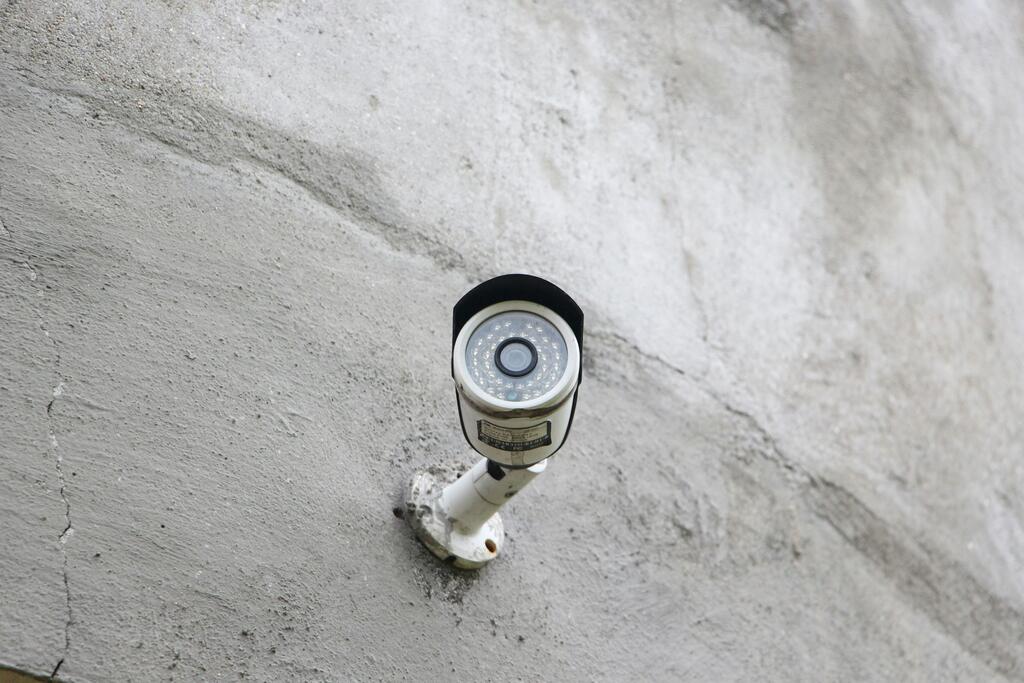
Choosing the right cameras is not just about improving picture quality. It can help you build a more useful system, reduce avoidable call-backs and increase the overall value of the installation.
In Part 1 of this guide, we looked at the importance of matching the camera to the location. Part 2 goes further by covering premium upgrades, system design and the decisions that can create long-term value for both you and your customer.
This matters in the current security market. Office for National Statistics figures show that the police recorded 509,566 shoplifting offences in England and Wales during the year ending December 2025. Although this represented a 1% annual decrease, the figure remained high after several years of increases.
Your customer may therefore be willing to invest more when you can clearly explain how an upgrade addresses a genuine risk.
Do not treat every camera as the same product
A common mistake is to select 1 camera model and use it across the whole site. It may make the quotation simpler, but it does not always produce the best result.
The camera covering a brightly lit reception area does not need to perform the same task as the camera watching a dark car park, loading bay or vehicle entrance.
Your first step should be to divide the site into individual coverage requirements:
- Identify where faces need to be recognised
- Check where vehicle details need to be captured
- Look for areas affected by poor or changing light
- Decide where visible deterrence would be useful
- Confirm whether live monitoring will take place
- Plan which areas may need future coverage
You can then select suitable products from the wider range of IP CCTV cameras rather than building the specification around resolution alone.
Offer resolution upgrades where they provide a clear benefit
Higher resolution is easier to sell when you connect it to a practical outcome.
A standard camera may be adequate for general observation. However, entrances, tills, stockrooms and narrow access routes may need more detail. In these locations, moving from a basic camera to a suitable 4MP IP camera or an 8MP IP camera may improve the usable detail available during playback.
Avoid promising that more megapixels will automatically solve every problem. The result will also depend on lighting, lens choice, positioning, compression, recording settings and movement.
Explain this to the customer in plain language. You are not simply selling a larger number. You are specifying a camera that is more suitable for the evidence they may need.
Use full-colour imaging as a targeted upgrade
Traditional infrared cameras can produce useful night-time images, but colour may help when a customer needs to identify clothing, vehicles, packaging or other visual details.
Installing ColourVision IP cameras or suitable ColourVision HD cameras in carefully selected areas can create a clear premium upgrade.
Suitable locations may include:
- Covering shop entrances and external doors
- Monitoring customer or staff car parks
- Watching loading and delivery areas
- Recording activity around storage buildings
You do not necessarily need full-colour cameras across the entire site. Using them where colour information has genuine value can keep the quotation sensible while increasing the quality of the finished system.
Add active deterrence where prevention matters
Some customers want more than passive recording. They want the CCTV system to react when suspicious activity is detected.
Active deterrence cameras can use visible lights and audible warnings to make an intruder aware that they have been detected. This can be particularly useful around yards, gated areas, outbuildings and sites that are unattended overnight.
The value is easy for customers to understand. A standard camera records the event. An active deterrence camera may help challenge the activity while it is happening.
Before including this upgrade, check the detection area carefully. Poor configuration can create nuisance alerts or unnecessary activations. A well-positioned camera with properly adjusted detection zones is far more valuable than a premium feature that has simply been switched on.
Use specialist cameras for specialist risks
A fixed camera should not be expected to perform every security task.
Large open areas may benefit from IP PTZ speed domes, particularly where security staff or another authorised person will actively monitor the site. PTZ cameras can provide flexible views and allow an operator to follow activity across a wider area.
Vehicle entrances may require licence plate recognition cameras. These should be positioned and configured specifically for number plate capture rather than being treated as general overview cameras.
Specialist products often add more value than simply increasing the number of standard cameras. A well-designed 8-camera system can be more useful than a poorly planned 12-camera system.
Design the recorder around the finished system
Premium cameras place additional demands on the recorder, network and storage.
Before finalising the quotation, check whether the selected IP CCTV NVR can handle:
- Supporting the required camera resolutions
- Providing enough incoming bandwidth
- Recording at the required frame rates
- Allowing sufficient playback capacity
- Supporting future camera expansion
Do not choose an 8-channel recorder for an 8-camera installation without first discussing future plans. A customer may want another camera over a side entrance, warehouse extension or newly created parking area within the next 12 months.
Leaving spare capacity may add a relatively small amount to the initial quotation while avoiding a much larger recorder replacement later.
For larger sites, pre-built categories such as 16-camera CCTV systems can also help you plan the installation around compatible equipment.
Calculate storage instead of guessing
The number of cameras is only 1 part of the storage calculation. Resolution, frame rate, compression, recording schedule and required retention period all affect capacity.
Use proper surveillance hard drives designed for continuous recording. A normal desktop drive may appear cheaper, but it is not intended for the same constant write workload.
Ask the customer how long they expect recordings to remain available. There is a significant difference between retaining footage for 7 days and retaining it for 30 days.
Present the storage calculation as part of the system design. It shows that the quotation has been built around the customer’s operational needs rather than a standard equipment list.
Check the PoE budget and network capacity
A recorder may have enough channels but still lack the power budget required for the chosen cameras.
This becomes particularly important when using PTZ cameras, active deterrence products, heaters, illuminators or other higher-powered equipment. Check the maximum power draw of each device and leave sensible headroom.
Where the recorder cannot provide enough power or the cable layout requires a separate network point, select appropriate PoE switches.
This is also the stage to confirm cable distances, uplinks, network traffic and remote access requirements. Good network design may not be the most visible part of the installation, but it often determines how reliable the system will be.
Include the smaller items in the quotation
Brackets, junction boxes, weatherproof connections and security cabinets may look like minor additions. However, they can improve the finish of the installation and protect the main equipment.
Review the available camera and NVR accessories while building your equipment list. Do not wait until installation day to discover that a particular camera needs a different bracket or mounting base.
A professional installation should look planned. Loose connectors, exposed joints and improvised mounting arrangements can reduce the customer’s confidence even when the cameras are working correctly.
Using a suitable CCTV test monitor during installation can also help you confirm positioning, focus and network details before leaving the site.
Show customers the difference between good, better and best
Offering several specifications can make premium upgrades easier to understand.
For example:
- Good could provide standard cameras and essential recording
- Better could add improved low-light performance and longer storage
- Best could include active deterrence, specialist cameras and expansion capacity
The purpose is not to pressure the customer into the highest-priced option. It is to show what changes as the budget increases.
An additional £200 or £500 is easier to justify when the customer can see that it provides better night-time identification, more recording capacity or room for future cameras.
Build long-term value into every installation
A higher-value CCTV job should also be a better long-term job.
Select equipment that can be maintained, expanded and supported. Keep a record of camera models, IP addresses, passwords, cable routes, recording settings and storage calculations. Provide the customer with a clear handover and explain basic playback and export procedures.
You can also schedule a future maintenance visit to check camera views, clean lenses, review storage health and confirm that remote access is still operating correctly.
This turns the installation into an ongoing customer relationship rather than a 1-off equipment sale.
Increase job value through better decisions
The strongest premium quotation is not necessarily the one with the most expensive cameras. It is the one where every upgrade has a clear purpose.
By combining suitable cameras, correctly sized recorders, reliable storage, sufficient PoE capacity and professional accessories, you can deliver a system that is easier to explain and more valuable to the customer.
Explore the full range of IP CCTV systems available from FVS CCTV, or contact the FVS CCTV team for help selecting compatible equipment for your next installation.