
Connectors and terminations: the small mistakes that cause big faults weeks later
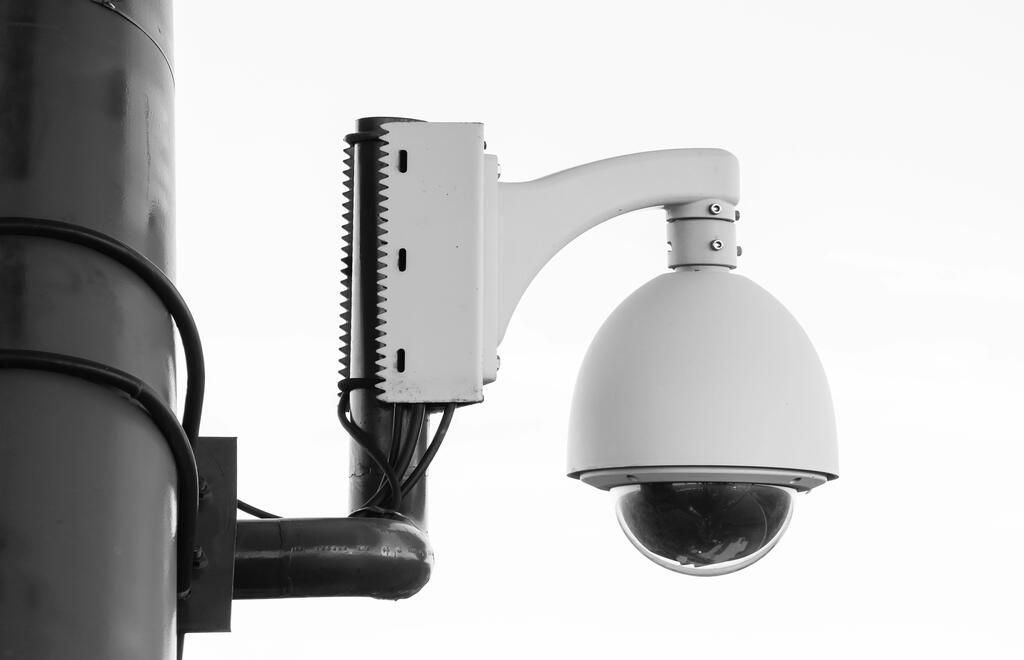
When a CCTV system develops faults a few weeks after handover, the first suspicion often falls on the camera, recorder, or network. In reality, the problem is often much smaller. A rushed termination, a connector that was not fully seated, poor strain relief, or a cable end left exposed can all create issues that take time to show themselves.
That is what makes these faults so frustrating. Everything can appear fine on installation day. The image is live. The recorder is online. Remote access is working. Then, a few weeks later, the calls begin. Intermittent video loss.
A camera dropping in and out. Power instability. Water ingress. Unreliable access control. By then, the original issue is no longer a small one. It has become a return visit, lost time, and an avoidable dent in customer confidence.
If you install CCTV regularly, you will already know this: the details that seem minor at the time often end up causing the most disruption later.
Why connector problems often show up later
A poor termination does not always fail immediately. That is why it gets missed.
A connector can be just good enough to pass signal during testing, but not good enough to cope with real-world conditions over time. Once the system is live, cables settle, lids are closed, temperatures shift, outdoor moisture creeps in, and vibration or movement starts to affect weak points. What looked acceptable at the end of the job starts becoming unreliable under everyday use.
This is especially true on external installations, mixed upgrades, and jobs where several devices rely on stable power and clean data transmission. A system only needs 1 weak connection for the whole install to start looking unreliable.
Where small mistakes usually happen
These are the areas that tend to create problems weeks later:
Loose RJ45 terminations.
Incomplete crimps.
Poor strain relief.
Over-tight cable bends.
Unsupported connectors.
Unsealed outdoor joints.
Mixed accessory quality.
Incorrect connector choice.
Weak power joins.
Rushed final testing.
None of those issues sounds dramatic on its own. That is exactly the point. Big faults often grow from very ordinary oversights.
Common examples you will recognise on site
A camera may work perfectly during commissioning, but an RJ45 plug that was not terminated cleanly can begin to lose contact after a little movement or temperature change. A power connection tucked into a back box may seem fine until moisture gets in. A connector under tension may hold for days, then start failing as soon as the cable settles into its final position.
You also see problems when installers mix decent core equipment with bargain accessories. You might fit a solid recorder and good cameras, then undermine the whole job with low-quality plugs, adaptors, junction points, or power parts. The customer will not separate the fault by price point. To them, the system either works properly or it does not.
That is one reason it makes sense to treat the supporting parts of the install with the same attention as the headline hardware.
Why consistency matters more than people think
FVS CCTV’s current range reflects that wider system view. Alongside cameras and recorders, the site includes dedicated categories for connectors & tools, CCTV accessories, camera & NVR accessories, POE switches, CAT5 transmission, IP CCTV cameras, IP CCTV NVRs, external CCTV cameras, commercial doorbell/access control systems, and broader IP CCTV systems.
That matters because reliable installs usually come from consistent specification. If you standardise the full basket of parts you use, not just the cameras, you cut down the number of weak links in the job. That means fewer last-minute substitutions, fewer compatibility surprises, and fewer callbacks caused by cheap supporting items.
The habits that reduce callbacks
The good news is that most connector and termination faults are preventable. You do not need a complicated process. You need a disciplined one.
A few practical habits make a real difference:
Check every termination properly.
Support each cable end.
Protect outdoor connection points.
Match connectors to the environment.
Avoid unnecessary adaptors.
Leave sensible service loops.
Keep tension off joins.
Test before sealing up.
These are the habits that help you avoid the £80, £150, or £250 callback that should never have happened in the first place. On a busy month, a handful of avoidable return visits can quietly strip a meaningful amount from your margin.
Why supplier choice affects fault rates
FVS CCTV positions itself as a trade-focused CCTV distributor, wholesaler, and supplier, and its recent blog content has a clear practical theme around installer support, maintenance call-outs, accessory-heavy jobs, and avoiding weak points caused by poor-quality supporting parts.
That is important because good supply is not only about getting a camera to site quickly. It is also about being able to source the parts around the camera that help the system stay reliable. Connectors, transmission products, power accessories, and install essentials should never be treated as an afterthought.
If your supplier helps you build a more complete and repeatable install package, you are less likely to patch jobs together with whatever happens to be available on the day.
Reputation is built in the small details
Customers rarely remember a neat crimp or a correctly protected termination. But they absolutely remember when a system starts dropping out after handover.
That is why these details matter commercially as well as technically. A reliable install protects your time, your margin, and your reputation. It reduces snagging. It makes maintenance easier. It helps the whole job feel more professional. And when customers trust the finish, they are more likely to come back to you for the next site, upgrade, or phase.
In other words, connectors and terminations are not minor details. They are part of the quality of the whole install.
Final thought
If you want to reduce faults that appear weeks after installation, do not just focus on the cameras or the recorder. Pay just as much attention to the end of the cable, the seal on the joint, the strain on the connector, and the quality of the accessory behind the faceplate or inside the box.
Those are the small mistakes that turn into bigger problems later.
If you want dependable trade products for the full install, from connectors & tools and CCTV accessories to POE switches, IP CCTV cameras, IP CCTV NVRs, and access control systems, visit FVS CCTV and build your next job on parts that help you avoid the return visit.