
Common questions installers ask before large installs
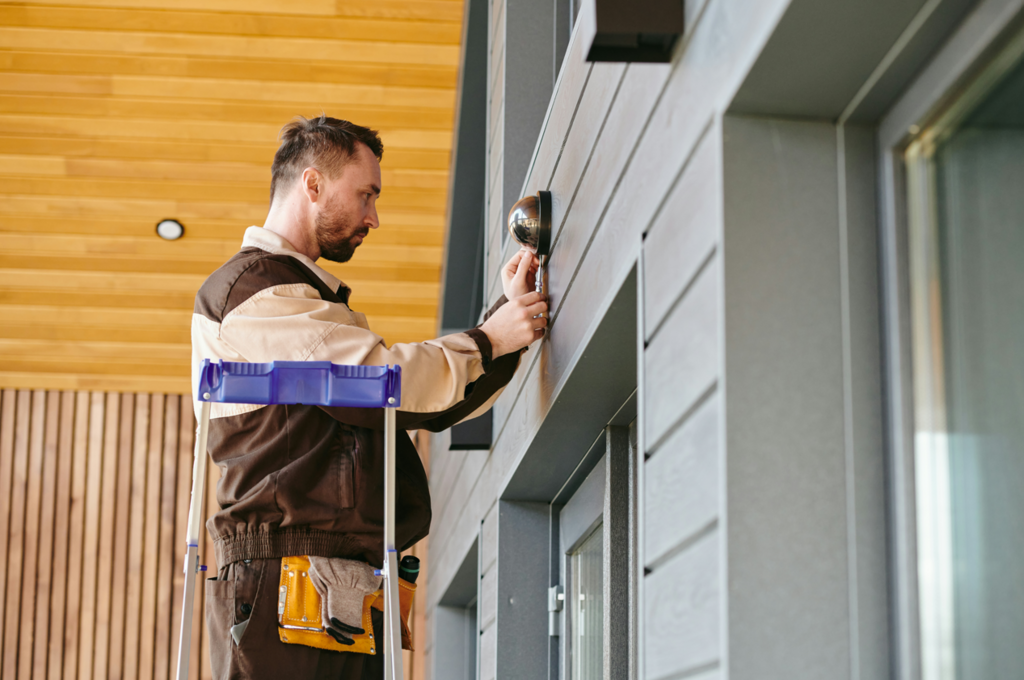
Large CCTV installs rarely become difficult because you cannot fit a camera. Problems usually appear because project may involve dozens of cameras, several buildings, long cable routes and restricted working hours. Small mistakes can quickly become expensive. On a 32-camera project, underquoting by just £5 per camera creates a £160 gap before extra labour, fuel or replacement parts are considered.
Asking the right questions early helps you protect your margin, reduce return visits and give the customer a system that works properly from day one.
Have you surveyed every part of the site?
A floor plan is useful, but it does not replace a proper site survey. You need to see where cameras can be mounted, how cables will be routed and whether specialist access equipment will be required.
Check ceiling heights, lighting, network cabinet locations, power availability and areas where drilling is restricted. Confirm whether the building will remain occupied during the work.
Do not assume every camera position shown on a drawing is practical. Ducting, shelving, signage or machinery may block the intended view or cable route.
Are you using the right camera for each area?
A large site usually needs more than one camera type. General coverage may be handled by IP CCTV cameras, but entrances, yards and higher-risk areas may need something more specific.
You may use active deterrence cameras where visible lights and audio warnings could discourage unwanted activity. Wider external spaces may suit IP PTZ speed domes, while vehicle entrances may require licence plate recognition cameras.
Ask what the customer actually wants to see. Do they need an overview, facial detail, vehicle identification or number plate capture? The answer affects the camera position, lens, resolution and lighting requirements.
Have you allowed enough recorder and storage capacity?
Recorder capacity should not be based only on the number of cameras being fitted today. You also need to consider resolution, frame rate, recording schedules, analytics and future expansion.
Choose suitable IP CCTV NVRs with enough channels, bandwidth and drive capacity. Leaving spare channels can be sensible when a customer may expand the system later.
Confirm how many days of footage the customer wants to retain. You also need to know whether every camera will record continuously or only when an event is detected.
Use purpose-built surveillance hard drives designed for ongoing recording. Storage should never be treated as an afterthought.
Is the network and PoE design realistic?
On larger IP projects, the network design is part of the CCTV design. It cannot be left until the cables have already been pulled.
Check the bandwidth between switches, recorders and remote buildings. Confirm whether the customer’s existing network can be used or whether the CCTV system needs a separate network.
Your PoE switches must have enough ports and enough power budget for the connected devices. A 24-port switch is not automatically suitable for 24 cameras if the total wattage is too high.
Plan every run and order the correct CCTV cable for the environment. Long external routes and links between buildings may require a different approach from short indoor runs.
Have you ordered the small parts?
Large installs can be delayed by inexpensive items. A missing bracket, connector, junction box or power lead may stop an engineer from completing an entire area.
Build an accessory schedule alongside the camera schedule. Include the required camera and NVR accessories, suitable connectors and tools and any separate power supplies.
Add a sensible allowance for spares. One replacement camera, extra connectors and spare cable may cost less than sending an engineer back to site. A £100 to £200 contingency may be easier to absorb than an unplanned return visit.
How will you test the installation?
Do not wait until every camera is mounted before testing. Check cable runs, power, network links and camera views as each area is completed.
Portable CCTV test monitors can help you confirm focus, framing and connectivity while you are still at the camera position.
Keep clear test records. On a multi-day project, good notes help every engineer understand what has been completed and what still needs attention.
Does the customer expect access control too?
Customers do not always separate CCTV, door entry and access control. A request for security at the main entrance may include video verification, controlled access and visitor communication.
Ask about this before finalising the design. The FVS CCTV doorbell and access control range may help you build a more complete proposal rather than adding another system after work has started.
Confirm who is responsible for cabling, locks, door hardware, fire alarm interfaces and network connections. Clear boundaries help prevent disputes later.
Have you confirmed stock and delivery?
Check availability before promising an installation date. Confirm the main equipment as well as the less obvious supporting parts.
Decide whether everything will arrive together or in phases. Phased delivery can reduce the amount of equipment stored on site, but it requires careful coordination.
You should also confirm where the equipment will be kept. Cameras and recorders should not be left in an unlocked room, damp container or shared contractor area.
What happens during handover?
Agree who needs system access, who will receive training and who can request password changes.
Provide clear camera names, equipment records, network details and operating instructions. Show the customer how to search footage, export clips and report a fault.
Explain what is included after completion. If remote support, maintenance visits or software updates are chargeable, state this clearly. A £150 support visit can cause frustration when the customer assumed it was included.
Large install checklist
Before confirming the job, check that you have:
- Completed a physical site survey
- Agreed the purpose of every camera
- Confirmed image detail and retention requirements
- Checked recorder bandwidth and storage capacity
- Calculated the full PoE power budget
- Planned cable routes and maximum distances
- Ordered brackets, connectors and spare parts
- Confirmed stock and delivery dates
- Agreed testing and sign-off stages
- Defined training, support and maintenance responsibilities
Plan the job before the pressure starts
A large installation becomes manageable when the important decisions are made early. A thorough survey, sensible specification and complete parts list give your engineers a better chance of finishing on time and protecting the margin in your quote.
For help specifying equipment for your next commercial CCTV project, explore the wider range of CCTV accessories or contact FVS CCTV to discuss the cameras, recording, storage, power and installation products you need.