
Why CCTV Installations Often Fail Without Proper Electrical Infrastructure
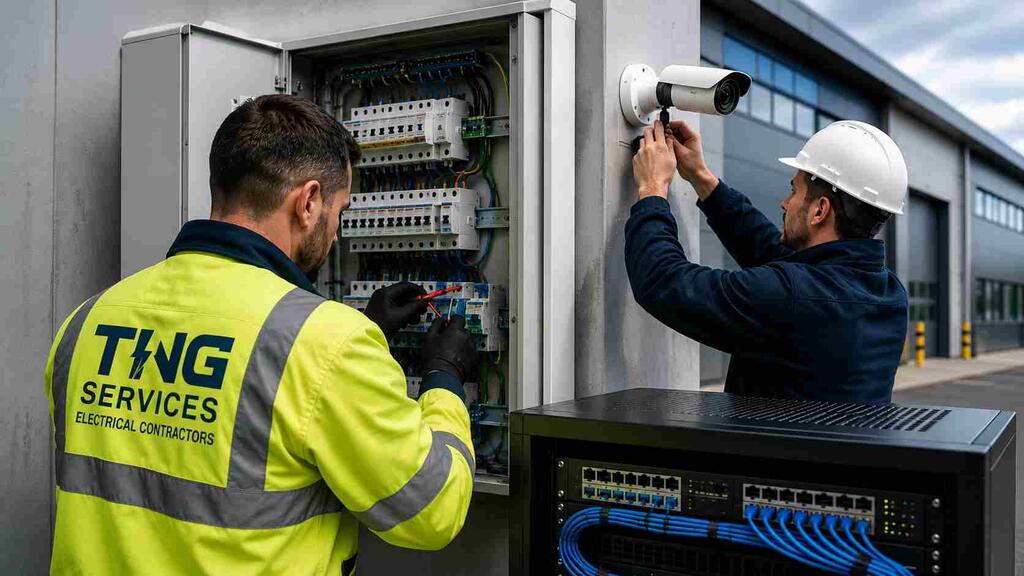
Modern CCTV systems are more advanced than ever. High-resolution IP cameras, remote viewing, AI-based motion detection and cloud-connected recording have transformed how businesses and homeowners protect their properties.
However, many CCTV issues are not caused by the cameras themselves.
In reality, a significant number of faults originate from the electrical infrastructure supporting the system. Poor power distribution, voltage fluctuations, inadequate cable routes and overloaded circuits can all impact the reliability of a CCTV installation.
For this reason, professional CCTV projects increasingly require close collaboration between security specialists and experienced electrical contractors.
CCTV Systems Depend on Stable Power
Even the most advanced surveillance equipment is only as reliable as the power source behind it.
Businesses often focus on camera specifications while overlooking:
∙ power quality
∙ circuit loading
∙ surge protection
∙ backup power requirements
∙ cable management
A camera experiencing intermittent voltage drops may appear to be functioning normally while still producing unreliable recordings or connection failures.
Common Electrical Issues That Affect CCTV Performance
Voltage Drop on Long Cable Runs
External cameras installed on warehouses, industrial units or large residential properties often require long cable routes.
Without proper design, voltage drop can lead to:
∙ camera reboots
∙ poor image quality
∙ network instability
∙ recording interruptions
Insufficient Surge Protection
Power surges remain one of the most common causes of CCTV equipment failure. This is especially relevant for:
∙ external cameras
∙ outbuildings
∙ commercial premises
∙ industrial environments
Appropriate surge protection can significantly reduce the risk of costly equipment replacement.
Overloaded Existing Circuits
A common mistake is connecting additional CCTV equipment to circuits that were never designed for the extra load.
Professional assessment of existing electrical infrastructure helps ensure long-term reliability and compliance.
Why Electrical Planning Should Be Part of CCTV Design
A modern CCTV installation is no longer simply a security project. It is increasingly a combination of:
∙ security engineering
∙ networking
∙ structured cabling
∙ electrical design
When CCTV installers work alongside qualified electrical professionals, potential issues can often be identified before installation begins.
For larger commercial properties, industrial units and multi-occupancy buildings, this approach can reduce downtime and minimise future maintenance costs.
The Importance of Working With Qualified Electricians
Whether installing CCTV for a retail premises, office, warehouse or residential property, electrical safety should never be treated as an afterthought.
Working with experienced and qualified electricians helps ensure that power supplies, protective devices and cable infrastructure are suitable for the demands of modern surveillance systems.
Businesses undertaking CCTV upgrades often benefit from consulting professional electrical contractors such as TNG Services' electrician team before installation work begins.
Their expertise can help identify infrastructure limitations that may otherwise affect CCTV reliability in the future.
CCTV Reliability Starts Behind the Camera The effectiveness of a CCTV system depends on more than camera quality alone.
Stable electrical infrastructure, proper circuit design and professional installation all contribute to long-term system performance.
As surveillance technology continues to evolve, the relationship between CCTV specialists and electrical contractors is becoming increasingly important for businesses seeking reliable security solutions.